De viktigaste riktningarna för konferensen:
Grundläggande frågor om zoologi i studien av fåglar:
- allmänna problem och särskilda lösningar inom nomenklatur, taxonomi och taxonomi
- paleokronik och makroevolution
- morfologi, fysiologi, embryogenes
- mönster för mikroevolution: artens art och befolkningens avvikelse
- geografi och ekologi hos populationer / arter: fördelningsmönster
- dynamik i livsmiljöer, taktik och strategier för överlevnad i en
- heterogen miljö och uttalad säsongsmässighet
- befolkningsdemografi och globala trender i överflöd (arter)
- migration, filopatri, navigationsmekanismer
- beteende och zoopsykologi (alla aspekter)
- ontogeni av sång, vokaldialekter och andra frågor om bioakustik
Tillämpade aspekter av fågelstudier:
- fåglesamhällens dynamik och mångfalden i befolkningsstrukturen (historisk övervakning), sammanställning av regionala atlaser
- skydd av fåglar och deras livsmiljöer, Red Data Books rationell användning av fåglar
- medicinsk och luftfart ornitologi
- fjäderfä och jordbruk, fjäderfä och jakt, fågeluppfödning
- fåglar i staden (tillämpade frågor om synantropisering av fåglar, övervakning)
- popularisering av ornitologi och ekologisk utbildning av befolkningen, fågelskådning och ornitologisk turism.
Konferensens datum: 2-7 november 2021
Högtalare

Knut Berglund

Stina Jönsson
Edgar Åström

Betty Månsson

Maximus Lundgren

Anton Söderberg
Varumärken som vi samarbetar med











Blogg
Spela online casino utan Spelstopp med Bitcoin i takt med att kryptovalutor och digitala plattformar utvecklas till nya ekonomiska arenor. Detta medför unika möjligheter och utmaningar. Denna utveckling har lett till intressanta diskussioner om hur traditionella finansieringsmetoder kan kompletteras eller ersättas. I synnerhet har en intressant fråga uppstått om möjligheten för ornitologer – forskare som specialiserar sig på att studera […]
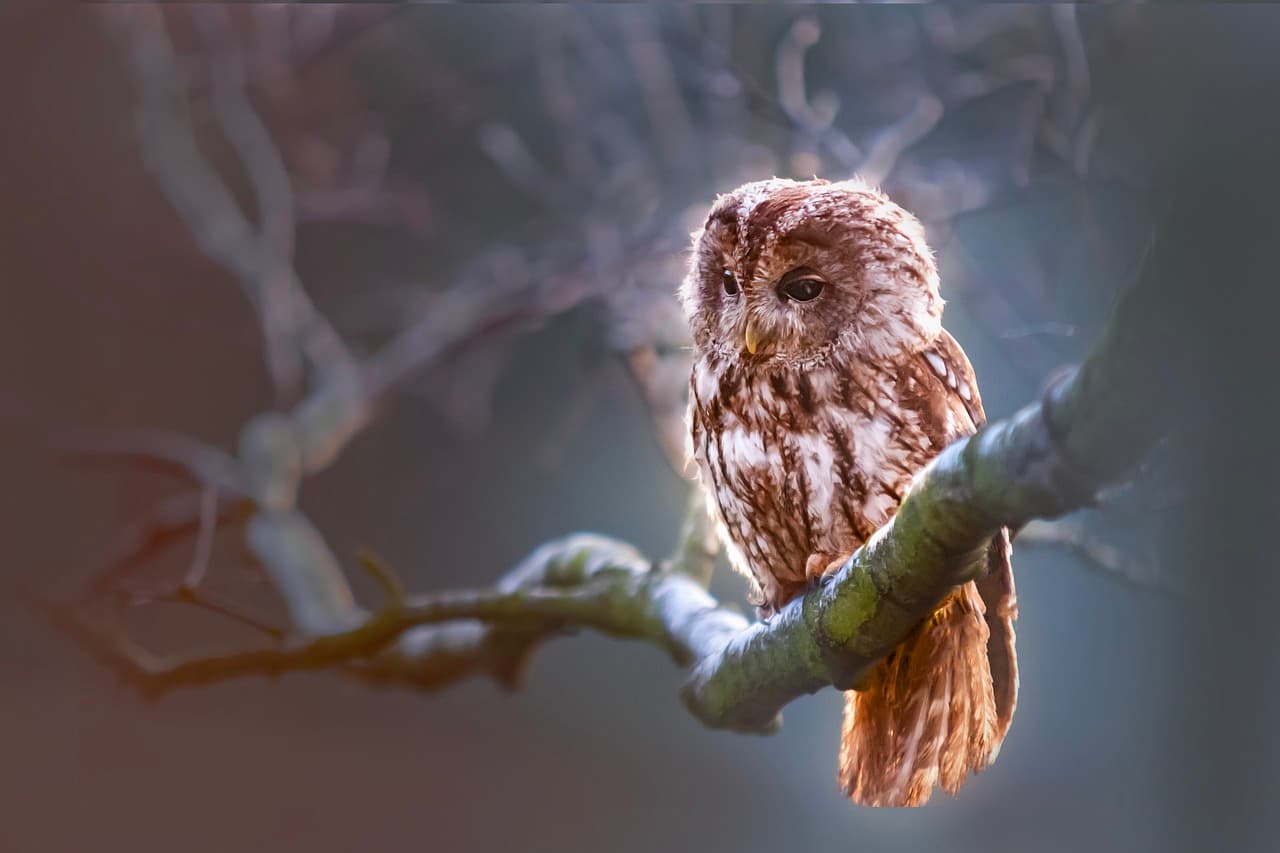
Inledning Svenska fåglar, de många olika fjädrarna och sångerna som fyller luften, erbjuder en fascinerande och vacker introduktion till naturens underverk. Fågelskådning är inte bara en fridfull flykt från vardagen, utan också en möjlighet att förstå och uppskatta den naturliga världen. I den här artikeln kommer vi att utforska fenomenet fågelskådning i Sverige och introducera dig till detta fenomen. Första […]
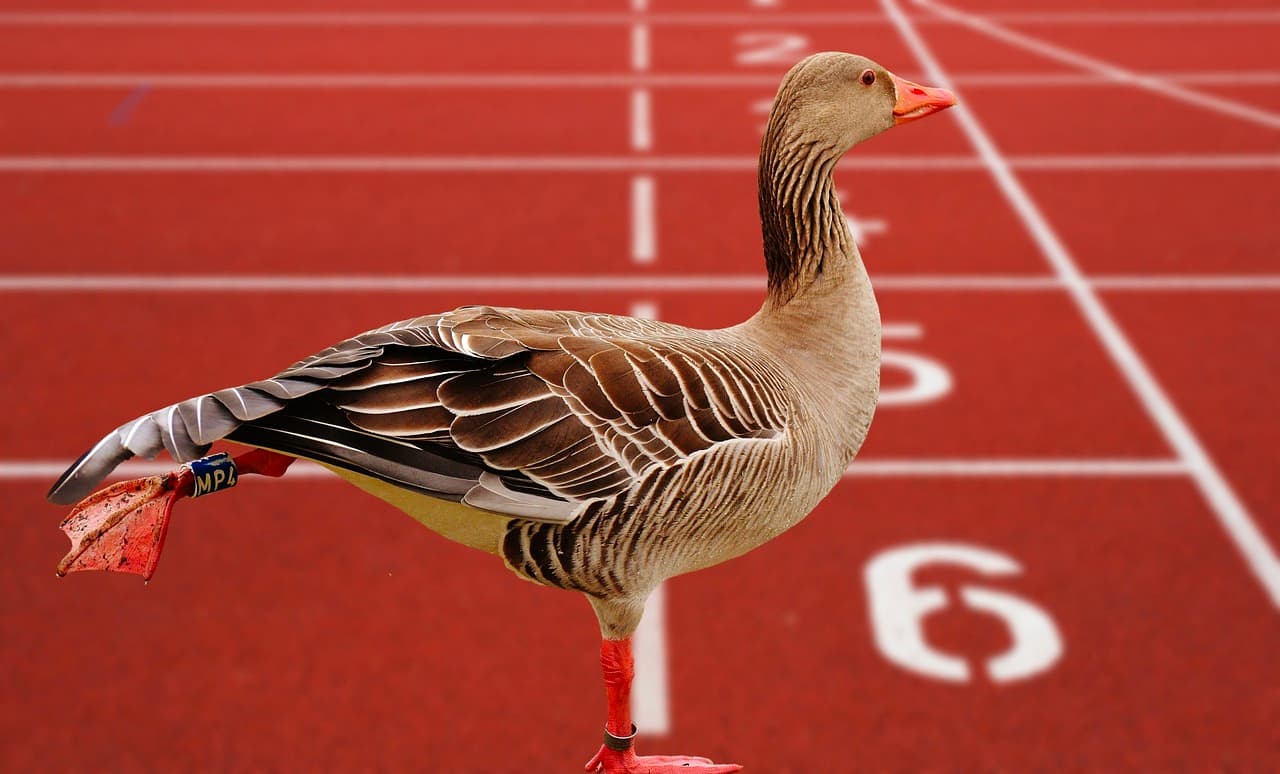
Har du någonsin varit på en fågeltävling? Kan du föreställa dig det? Vi öppnar dörren till denna fantastiska värld där vingar blir instrument för hastighet och fjädrar blir startlinjen. Fågelkapplöpningens Värld Fågelracing är inte bara ett äventyr i luften, det är också en kamp mellan fjädrar och luft, där varje sekund räknas. Som åskådare fångas du av spänningen och ditt […]
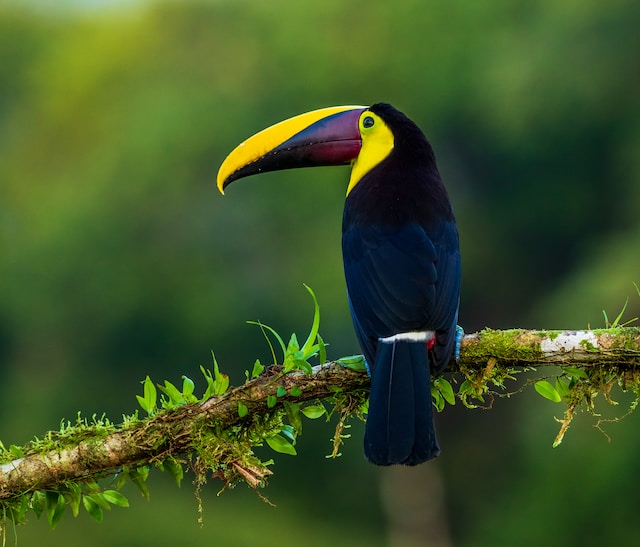
Ornitologi, som härstammar från de grekiska orden ”ornis” (fågel) och ”logos” (kunskap), är det vetenskapliga studiet av fåglar. Det omfattar ett brett spektrum av discipliner, inklusive biologi, ekologi, beteende, genetik och bevarande. Ornitologer undersöker olika aspekter av fåglarnas liv, från deras evolutionära historia till deras ekologiska interaktioner inom livsmiljöer. Ornitologins historia Ornitologins rötter kan spåras tillbaka till forntida civilisationer, där […]
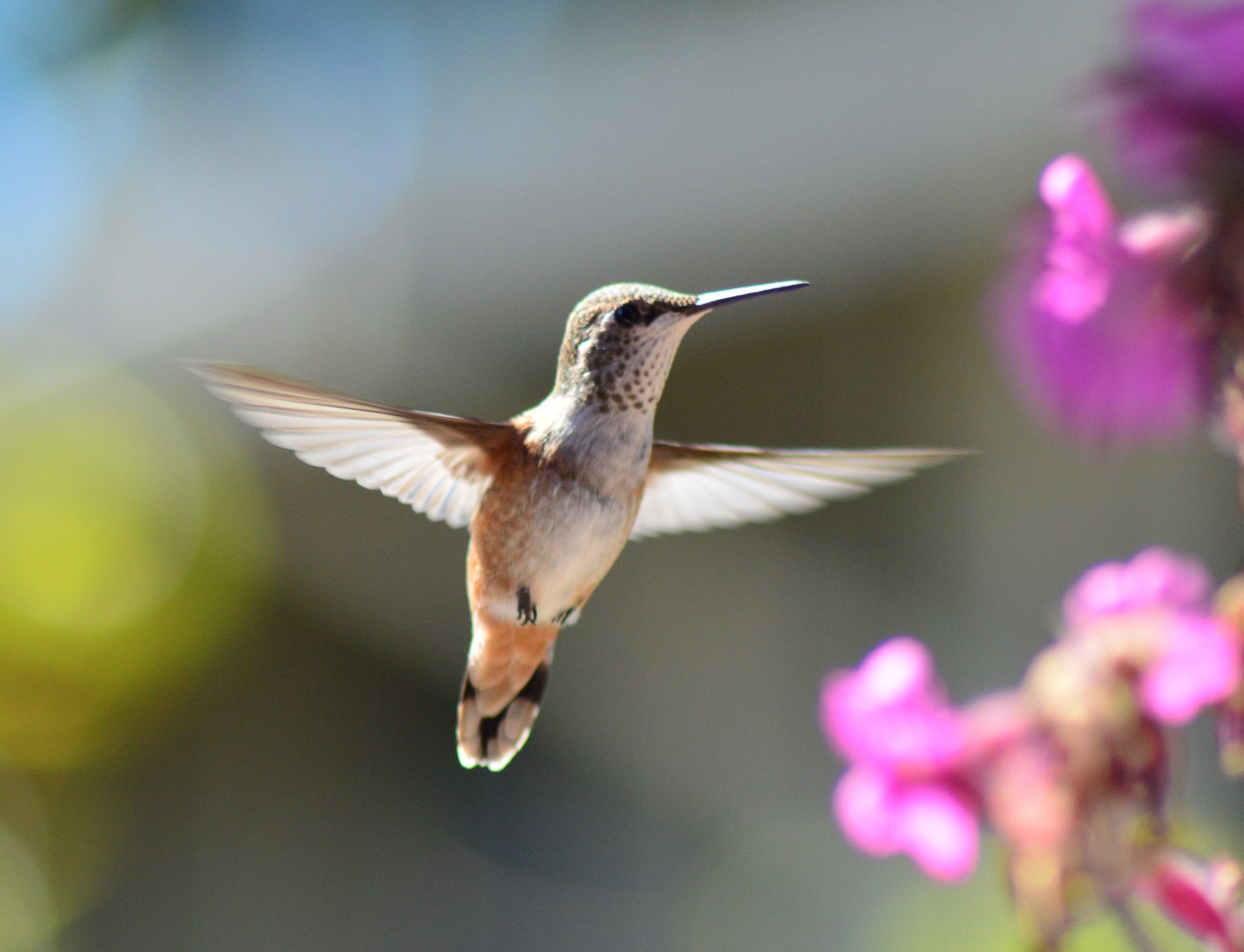
Fåglar har alltid varit en fascination för den mänskliga arten. Deras färgglada fjäderdräkt och förmågan att flyga har fått människor att studera dem, jaga dem, äta dem och till och med bära deras fjädrar som hattar. Folkeriket Casino har precis lagt till två nya spel med fåglar, ett innovativt och interaktivt spel. Spelaren kan utforska fåglarna i deras naturliga livsmiljö […]
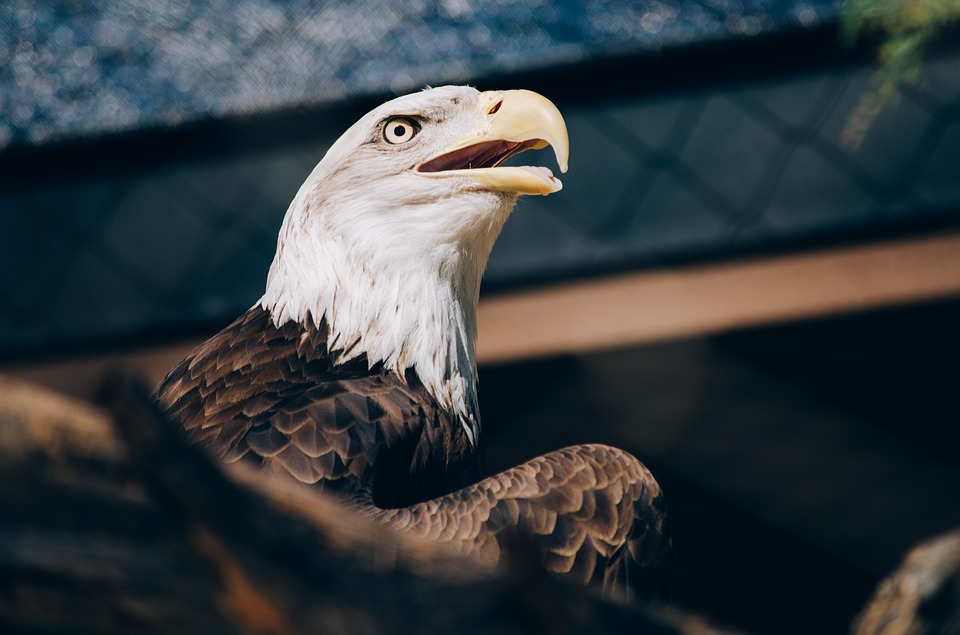
Ornitologer studerar ursprung, utveckling, strukturella egenskaper, näring och reproduktion av olika fågelarter. En separat uppgift för ornitologi är systematisering och beskrivning av olika fågelarter.
Uttrycket ”ornitologi” tillhör den italienska djurforskaren Aldrovandi, som bodde på 1500-talet. Den första beskrivningen av fåglar genomfördes av den antika grekiska forskaren Aristoteles på 400-talet f.Kr. Aristoteles lyckades beskriva mer än 170 fågelarter. Under medeltiden och renässansen beskrevs fåglar av forskare från olika länder, eftersom fågeljakt var mycket vanligt.
Grunden för modern ornitologi lagdes av 1700-talets forskare Carl Linné, som föreslog systematisering av fåglar i sitt arbete The System of Nature. Fram till 1800-talet beskrev forskare bara olika typer av fåglar, deras struktur och livsstil. Sedan 1800-talet började de studera geografin för fördelningen av olika fågelarter och migrationsvägar. Den engelska utforskaren F. Skleter föreslog den första ornitogeografiska beskrivningen av världen 1858.
Kontaktinformation
Buanvägen 49
870 10 ÄLANDSBRO
+46 0611-9776917
JaninaLund@sofnet.org
Skriv till oss om du har några frågor
Registrera nu!